Why Feeding Street Dogs Is Only Part of Street-Animal Welfare
Ask most people how to help a street dog and the first answer is food. It's a good instinct — a full stomach is immediate, visible kindness. But anyone who has spent time around community animals knows the truth: feeding is the beginning of welfare, not the whole of it.
Beyond the bowl
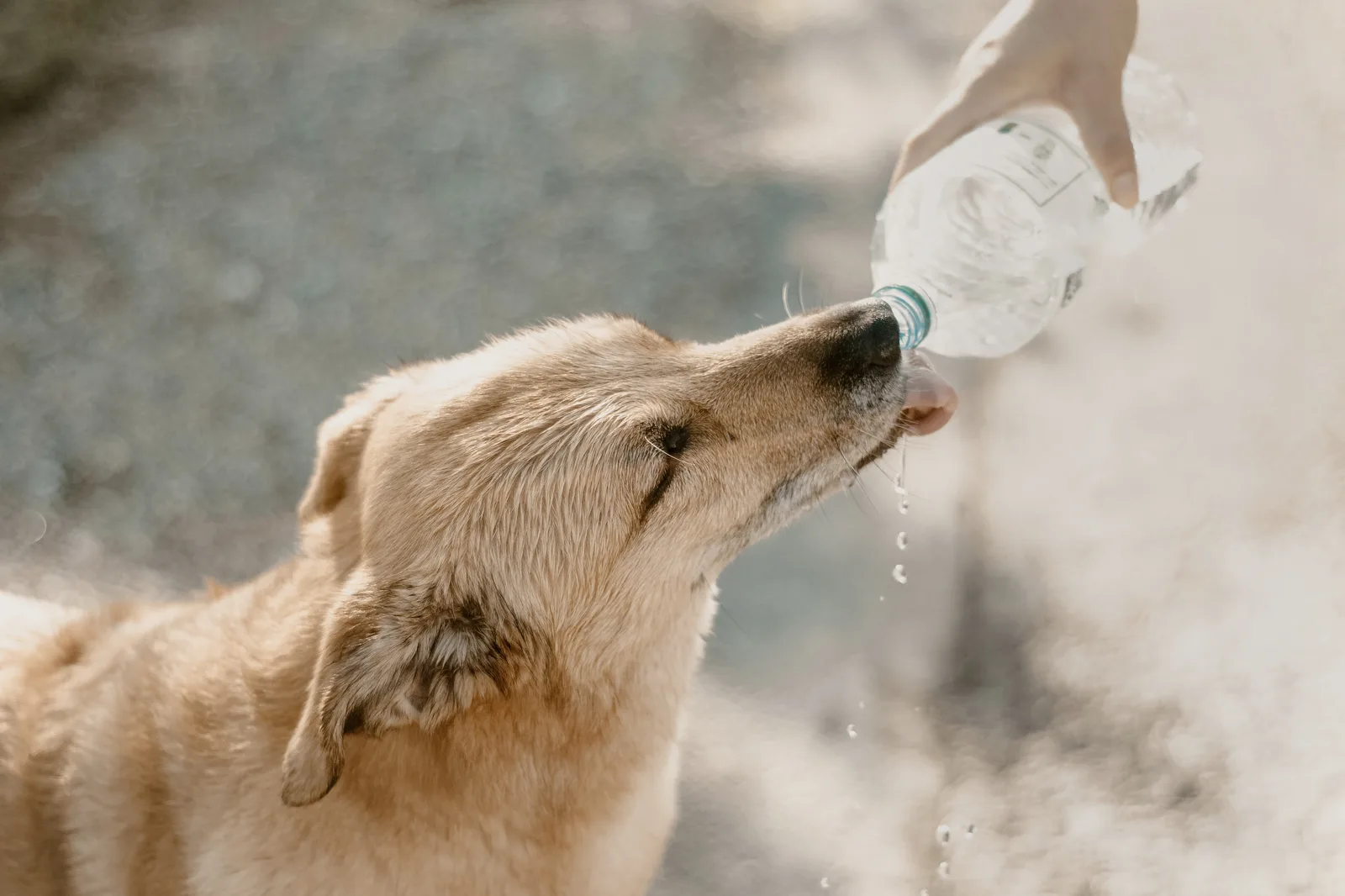
A dog that eats daily but drinks from a stagnant puddle is still at risk. Clean water, especially through the hot months, is one of the simplest and most neglected forms of care — a bowl refilled by the same shopkeeper each morning does more than an occasional feast.
Then there's the work that prevents suffering rather than responding to it. Vaccination protects both animals and the people around them. Sterilisation, done humanely and with proper post-operative care, is what actually changes the trajectory of a street population — quietly, over years, without a single dramatic photo.
Knowing who to call
Sooner or later, every neighbourhood faces an injured or sick animal. The difference between a good outcome and a helpless one is usually not money — it's knowing who to call. Veterinary professionals, rescuers and shelters already exist; the gap is that most people don't have their numbers when it matters.
Feeding is a relationship. Welfare is a system — and systems are built by neighbourhoods, not individuals.
This is also why feeding responsibly matters. A consistent spot, a consistent time, a quick clean-up afterwards — these small courtesies are what keep residents, shopkeepers and animals on the same side. Welfare that creates friction rarely survives; welfare that includes the neighbourhood endures.
The PilCoo approach
The PilCoo Foundation's animals pillar is built on exactly this view: support the feeders, rescuers, shelters and veterinary professionals already doing the work, and help communities participate in the unglamorous essentials — water, vaccination, sterilisation and knowing who to call. No single act is the whole answer. Connected well, they come close.
Want to be part of the next story?
The best stories start with someone showing up. Join an activity, or tell us about a need you've seen.
Get involvedKeep reading
1 Lakh Steps for Paws: We Crossed the Goal
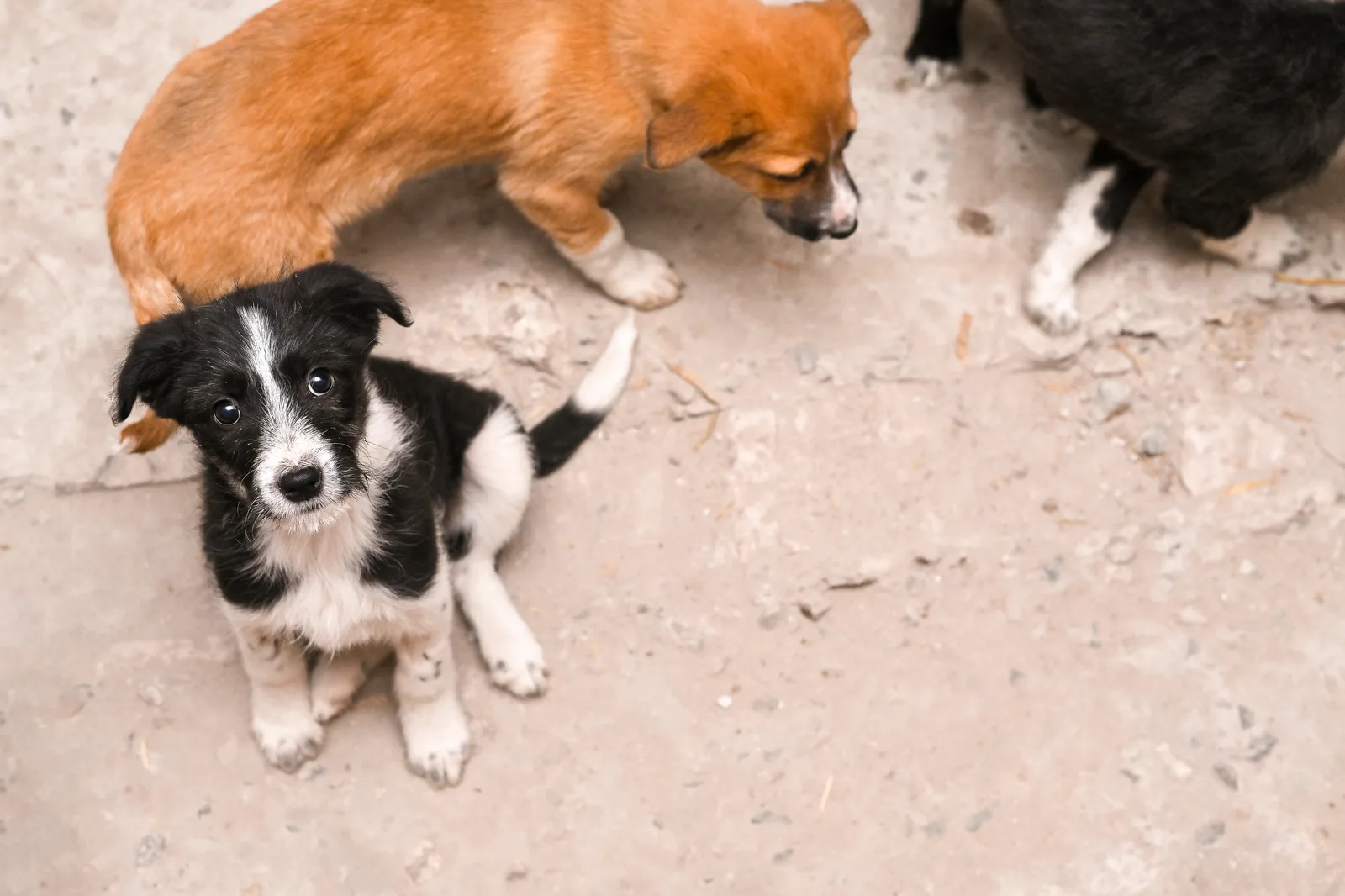
The community set out to walk 1,00,000 combined steps for street-animal welfare — and crossed it with 22 days still remaining. The challenge is still open.
10 Aug 2026 4 min read

Sometimes Asking “How Are You?” Is an Act of Care
We ask it a dozen times a day without meaning it. Asked properly — and answered honestly — it might be the smallest act of care there is.
10 Aug 2026 5 min read